Prehab Routines for Athletes: Proactive Strategies to Prevent Common Sports Injuries and Enhance Recovery
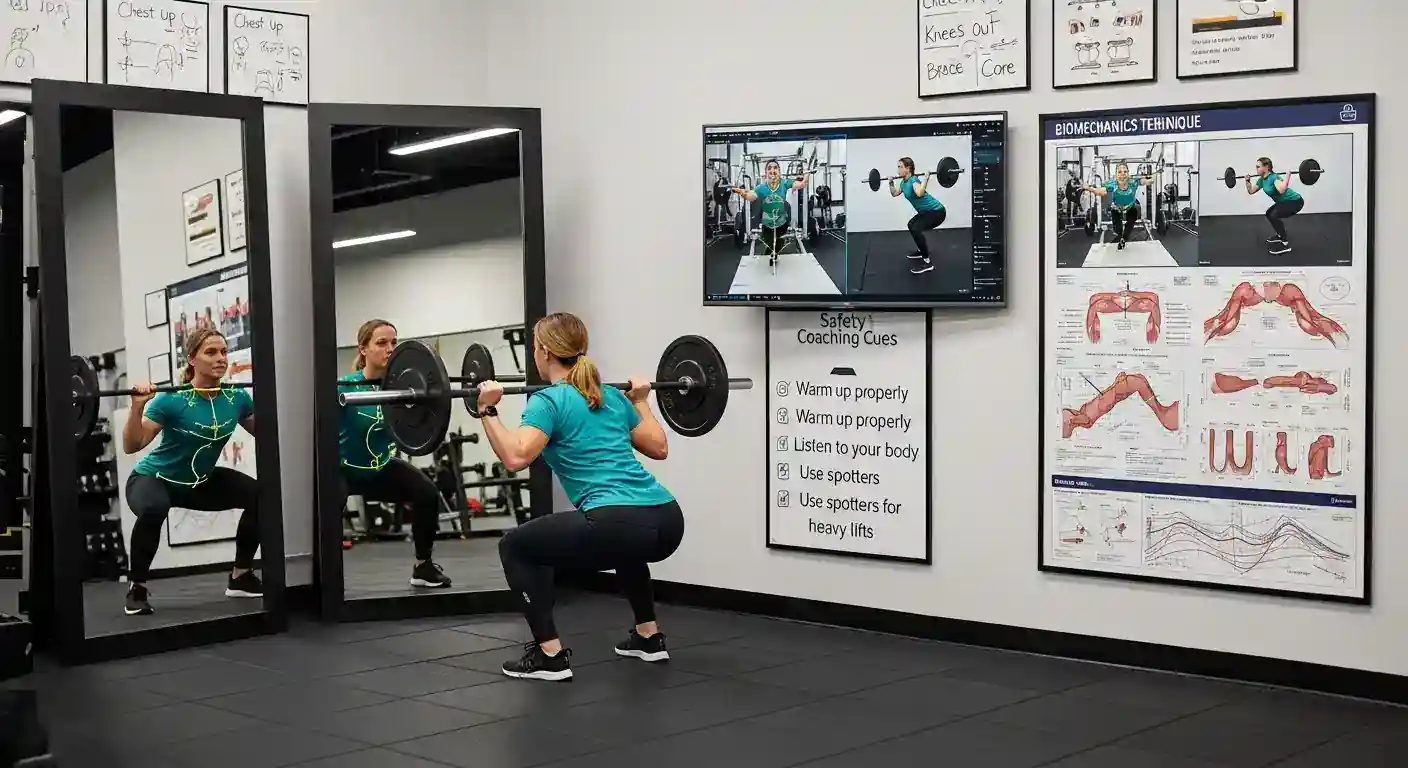
The world of competitive sports demands peak physical condition, yet it also carries an inherent risk of injury. While traditional rehabilitation focuses on recovery after an injury, a proactive approach known as prehabilitation, or prehab, is revolutionizing how athletes maintain their physical integrity and enhance performance. Prehab routines for athletes involve targeted exercises and strategies designed to identify and address potential weaknesses before they lead to an injury, effectively building resilience and improving overall athletic longevity. This comprehensive guide explores how to integrate prehab into your training regimen to prevent common sports injuries and significantly enhance your recovery processes.
Key Points for Effective Prehab:
- Injury Prevention: Proactively targets imbalances and weaknesses.
- Performance Enhancement: Improves mobility, stability, and strength.
- Faster Recovery: Optimizes the body's healing capabilities.
- Enhanced Longevity: Extends an athlete's career lifespan.
- Mind-Body Connection: Fosters greater body awareness and control.
Understanding Prehab Routines for Athletes: Proactive Injury Prevention
Prehabilitation is a strategic training methodology that emphasizes preventive measures to fortify the body against the stresses of athletic activity. Unlike rehabilitation, which is reactive, prehab is proactive, focusing on identifying potential areas of vulnerability – such as joint instability, muscular imbalances, or restricted mobility – and strengthening them. For athletes, this means more than just warming up; it's about systematically preparing the body's tissues, joints, and nervous system for the demands of their sport, thereby preventing common sports injuries before they occur.
Many athletes often overlook the quiet signs their bodies send, pushing through minor discomforts until a significant injury sidelines them. Integrating prehab, however, cultivates a deeper body awareness, allowing athletes to recognize and address issues early. This foundational work pays dividends in reducing downtime and keeping athletes in play, performing at their best.
Why Prehab Matters for Athletes: Preventing Common Sports Injuries and Enhancing Recovery
The benefits of incorporating dedicated prehab routines for athletes extend far beyond mere injury avoidance. They directly impact performance, recovery, and an athlete's overall career trajectory.
1. Significantly Reducing Injury Risk
The primary goal of prehab is to minimize the likelihood of injuries. By strengthening supporting muscles around vulnerable joints (like knees, shoulders, and ankles), improving joint stability, and correcting muscular imbalances, athletes become more robust. For instance, studies have shown that consistent prehab focusing on hamstring and glute activation can significantly reduce the incidence of ACL tears in high-impact sports, as detailed in research published by the Journal of Sports Medicine and Physical Fitness in late 2024. This proactive approach helps athletes withstand the repetitive strains and acute forces inherent in their sport.
2. Enhancing Athletic Performance and Longevity
A body that moves efficiently and without restriction is a body that performs better. Prehab improves fundamental movement patterns, increases range of motion, and boosts overall athleticism. Enhanced mobility and stability translate into greater power, speed, agility, and endurance. For example, a volleyball player with superior shoulder prehab will have a more efficient and powerful serve, while a runner with optimized hip mobility will achieve greater stride length. This translates not only to better performance but also to a longer, more sustainable athletic career, allowing athletes to continue competing at a high level for years.
3. Accelerating Post-Workout and Post-Injury Recovery
While prehab's main focus is prevention, it also plays a crucial role in enhancing recovery. A well-conditioned body with strong, balanced musculature and optimal blood flow is better equipped to repair itself after strenuous activity. Regular prehab can improve circulation, reduce muscle soreness, and flush out metabolic waste, leading to faster recovery times between training sessions or competitions. Moreover, if an injury does occur, an athlete with a strong prehab foundation often experiences a smoother and quicker rehabilitation process because their underlying physiological systems are already optimized for healing.
Core Components of Effective Prehab Routines
Effective prehab routines for athletes are comprehensive, addressing various aspects of physical readiness. They are not merely warm-ups but structured segments of a training program.
1. Mobility and Flexibility Drills
These exercises focus on improving range of motion around joints and increasing the extensibility of muscles. Key areas often targeted include the hips, thoracic spine, shoulders, and ankles.
- Dynamic Stretching: Leg swings, arm circles, torso twists prepare muscles for activity.
- Foam Rolling & Myofascial Release: Breaks up adhesions and improves tissue quality.
- Static Stretching (Post-workout): Improves long-term flexibility and reduces stiffness.
2. Stability and Balance Exercises
Stability is the ability to control a joint's movement, while balance is the ability to maintain equilibrium. These are crucial for preventing awkward landings and sudden movements that can lead to injury.
- Single-Leg Balance Drills: Enhances proprioception and ankle/knee stability.
- Plank Variations: Strengthens the core, crucial for spinal stability.
- Rotator Cuff Exercises: Protects the shoulder joint from dislocation and strains.
3. Strength and Activation Work
Prehab often involves specific exercises to activate dormant muscles or strengthen underutilized ones that support primary movers. This corrects imbalances and reinforces proper movement patterns.
- Glute Activation: Banded walks, glute bridges, clam shells – vital for hip and knee health.
- Scapular Stability: Y-T-W-L exercises, face pulls strengthen muscles supporting shoulder blades.
- Deep Core Activation: Transverse abdominis engagement for lumbar spine protection.
4. Neuromuscular Control and Coordination
This involves training the brain to better communicate with the muscles, improving reaction time and efficient movement patterns.
- Plyometrics (low impact): Box steps, jumping rope to improve joint shock absorption.
- Agility Drills: Ladder drills, cone weaves to enhance quick changes of direction.
- Movement Pattern Drills: Squat, hinge, lunge patterns performed with perfect form to engrain efficiency.
Designing Your Personalized Prehab Routine: Enhancing Athletic Recovery
One of the unique values of prehab, differentiating it from generic warm-ups, is its personalized nature. A highly effective prehab routine for athletes isn't a one-size-fits-all solution; it’s tailored to the individual athlete’s sport, specific physical demands, and identified weaknesses. This aspect is crucial for genuinely enhancing athletic recovery and ensuring long-term health.
Considerations for Customization:
- Sport-Specific Demands: A swimmer’s prehab will focus heavily on shoulder and thoracic mobility, whereas a soccer player’s will prioritize hip, knee, and ankle stability. Understanding the biomechanics and common injury patterns of your sport is paramount.
- Individual Assessments: Professional prehab often begins with a functional movement screen (FMS) or a similar assessment to identify specific limitations, asymmetries, or dysfunctional movement patterns. This might reveal, for instance, a restricted ankle dorsiflexion or an inability to properly activate the glutes during a squat. This data, often collected through tools and techniques discussed by performance specialists like Dr. Kelly Starrett in his mobility work (e.g., Becoming a Supple Leopard, 2023 edition), forms the backbone of a personalized program.
- Training Load & Injury History: An athlete with a history of hamstring strains will need specific prehab to strengthen and protect that area, alongside adjustments for current training volume.
- Integration: Prehab isn't an extra workout; it's seamlessly integrated. It can be a part of the warm-up, a cool-down, or even short, focused sessions throughout the day. For optimal results, aim for 10-20 minutes daily or before/after specific training sessions.
Internal Link Suggestion:
For athletes looking to dive deeper into specific training methodologies, explore our related content on Goal-Specific Training Programs.
Advanced Strategies & Latest Trends in Prehab for Athletes
Beyond the foundational elements, the field of prehab is continually evolving, incorporating new insights and technologies to further optimize injury prevention and performance.
1. Technology-Aided Movement Screening
Modern prehab increasingly leverages technology for more precise assessments. 3D motion capture, force plates, and wearable sensors can provide real-time feedback on movement mechanics, identifying subtle deviations that human eyes might miss. This data-driven approach allows for hyper-personalized interventions, targeting exact weaknesses and monitoring progress with objective metrics. For example, some elite sports programs use sophisticated gait analysis to predict potential running-related injuries months in advance, adjusting prehab accordingly.
2. Holistic & Mind-Body Integration
While physical exercises are central, a truly advanced prehab strategy also considers the holistic well-being of the athlete. Stress, sleep quality, and nutrition significantly impact recovery and injury susceptibility. Incorporating mindfulness, controlled breathing techniques, and ensuring adequate rest are emerging as critical components, recognized by institutions like the American College of Sports Medicine in their 2025 guidelines on athlete well-being. A relaxed, well-rested athlete with a clear mind is less prone to injury and more capable of executing complex movements flawlessly.
3. Progressive Overload in Prehab
Just like strength training, prehab exercises should follow principles of progressive overload. As an athlete's body adapts, the prehab exercises need to become more challenging to continue stimulating improvement. This might involve increasing repetitions, sets, resistance (e.g., heavier bands), or complexity (e.g., adding instability). This ensures the body is continually challenged to build resilience against increasing sport demands.
Internal Link Suggestion:
To delve into specific injury prevention strategies for different sports, read our article on prehab exercises for runners preventing common running injuries.
Frequently Asked Questions About Prehab Routines for Athletes
Q: What's the main difference between prehab and warm-up?
A: While both prepare the body for activity, prehab is a targeted, systematic program to address specific weaknesses and prevent future injuries. A warm-up is a more general preparation, increasing blood flow and muscle temperature. Prehab is like building a stronger foundation; a warm-up is like turning on the lights before you walk into the house.
Q: How often should an athlete perform prehab routines?
A: For optimal results, prehab should ideally be incorporated daily or before every training session. Even 10-15 minutes focused on mobility, activation, and stability drills can make a significant difference. Consistency is more important than duration, reinforcing healthy movement patterns over time.
Q: Can prehab help with chronic pain or old injuries?
A: Yes, absolutely. Prehab is excellent for addressing underlying causes of chronic pain that stem from muscular imbalances or poor movement patterns. By strengthening weak links and improving overall body mechanics, it can alleviate persistent discomfort and reduce the risk of re-aggravating old injuries, complementing any ongoing rehabilitation efforts.
Q: Is prehab only for elite athletes?
A: Not at all. While often popularized by professionals, prehab routines for athletes are beneficial for anyone engaging in physical activity, regardless of skill level or intensity. From weekend warriors to high school athletes, anyone seeking to move better, prevent injury, and enhance their physical longevity can reap the rewards of prehabilitation.
Internal Link Suggestion:
Explore how personalized training can elevate your game by reviewing our insights on unleashing your full potential with a personalized training plan.
Conclusion: Embrace Prehab for Lifelong Athletic Success
Adopting prehab routines for athletes is perhaps one of the most intelligent investments you can make in your athletic career and overall physical well-being. It shifts the paradigm from reactive injury management to proactive prevention, building a more resilient, efficient, and higher-performing body. By diligently integrating mobility, stability, strength, and neuromuscular control work into your regimen, you not only prevent common sports injuries but also enhance athletic recovery, ensuring you spend more time performing and less time on the sidelines.
Take the initiative to understand your body, identify its vulnerabilities, and commit to consistent prehab. Your performance will improve, your risk of injury will decrease, and your athletic journey will be significantly extended and more enjoyable. Start today and experience the transformative power of a proactive approach to your physical health.
Call to Action: Share your favorite prehab exercises in the comments below! What routines have helped you prevent injuries and stay at the top of your game? If you found this guide helpful, consider subscribing to our newsletter for more expert tips on training and injury prevention.
Extended Reading Suggestions:
- Advanced Mobility Drills for Specific Sports
- The Role of Nutrition in Athletic Recovery
- Mindfulness Techniques for Athletes to Enhance Focus and Resilience