Integrating HIIT into Your Weekly Routine: Short, Powerful Workouts for Optimal Performance
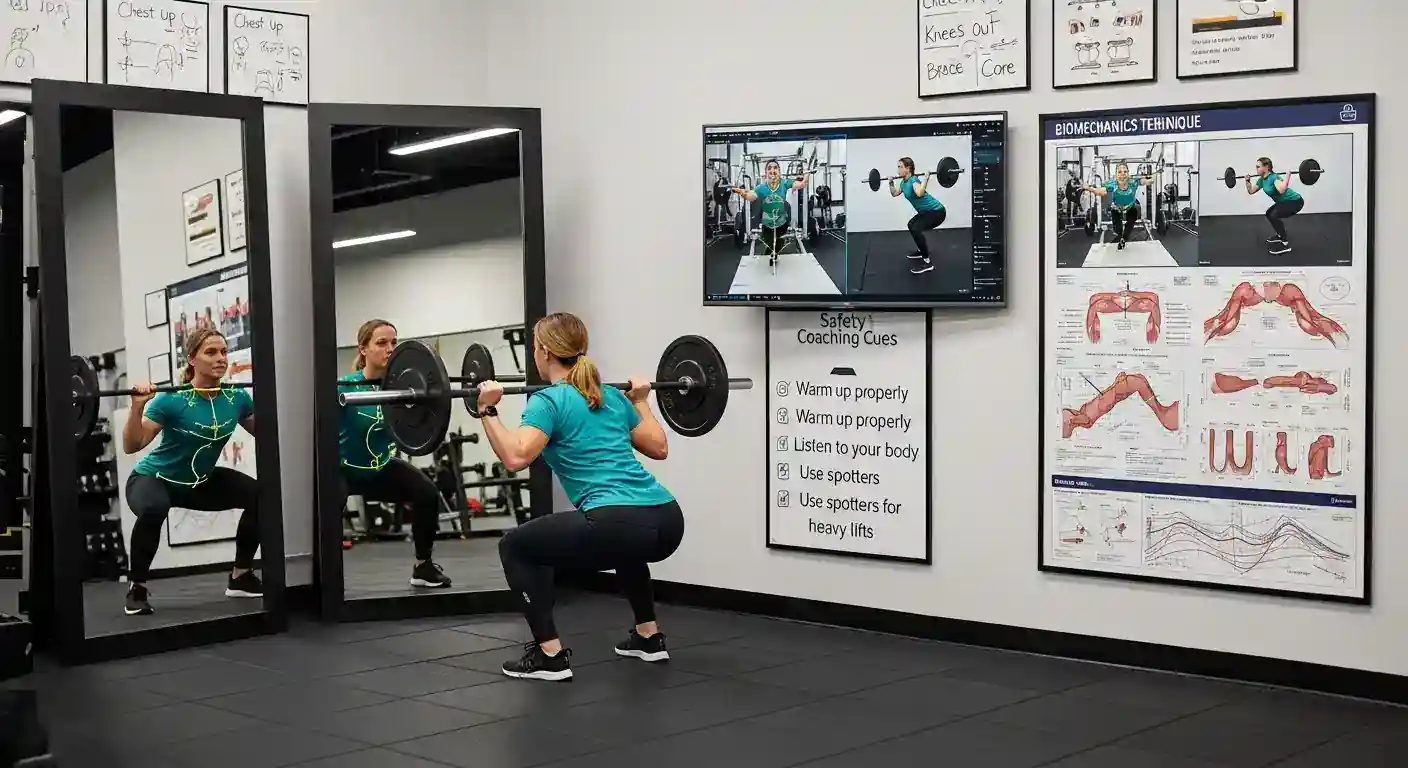
Integrating HIIT into Your Weekly Routine: Short, Powerful Workouts for Optimal Performance
In today's fast-paced world, finding time for comprehensive workouts can be a significant challenge. This is where integrating HIIT into your weekly routine becomes a game-changer. High-Intensity Interval Training (HIIT) offers a potent solution, delivering remarkable fitness benefits in a fraction of the time compared to traditional cardio. By combining short bursts of intense exercise with brief recovery periods, you can elevate your cardiovascular health, boost metabolic rate, and improve overall performance more efficiently. This article will guide you through the effective incorporation of these short, powerful workouts into your busy schedule, ensuring you reap maximum benefits without sacrificing valuable time. Discover how to design a sustainable HIIT program that fits your lifestyle and propels you toward your fitness goals.
Key Points for Integrating HIIT
- Time-Efficient: Achieve significant fitness gains in sessions lasting 20-30 minutes, including warm-up and cool-down.
- Metabolic Boost: HIIT elevates your metabolic rate for hours post-workout, aiding in fat loss and calorie burning.
- Cardiovascular Health: Improves heart health and endurance more effectively than steady-state cardio.
- Adaptable: Easily customized for various fitness levels and equipment availability.
- Performance Enhancement: Boosts strength, power, and speed, complementing other training.
Understanding HIIT: The Foundation of Short, Powerful Workouts
High-Intensity Interval Training (HIIT) is characterized by alternating periods of maximal or near-maximal effort with short, often active, recovery periods. The beauty of HIIT lies in its efficiency: it allows you to achieve significant physiological adaptations in a compressed timeframe. Research consistently demonstrates that HIIT workouts can improve aerobic and anaerobic fitness, blood pressure, cardiovascular health, insulin sensitivity, cholesterol profiles, and abdominal fat reduction. This makes it an incredibly versatile tool for anyone looking to enhance their fitness.
The core principle involves pushing your body to its limits during the work intervals, elevating your heart rate significantly, followed by periods where your heart rate can slightly recover before the next intense burst. This cycle is repeated multiple times, typically lasting anywhere from 10 to 30 minutes for the main workout component. Optimal performance is achieved by carefully balancing intensity and recovery, ensuring you can maintain high effort levels without overtraining.
The Science Behind HIIT's Effectiveness
The physiological response to high-intensity interval training is unique. During intense bursts, your body depletes its immediate energy stores (ATP and phosphocreatine) rapidly, leading to an "afterburn effect" known as Excess Post-exercise Oxygen Consumption (EPOC). This means your body continues to burn calories at an elevated rate even after your workout is over, as it works to restore itself to its pre-exercise state. A 2024 study published in the American College of Sports Medicine's Journal highlighted that consistent HIIT protocols significantly improve mitochondrial function and overall metabolic flexibility, contributing to enhanced endurance and fat oxidation. This scientific backing underscores why integrating HIIT into your weekly routine is such a powerful strategy.
Designing Your Weekly HIIT Schedule for Optimal Performance
Effective integrating HIIT into your weekly routine requires thoughtful planning. It's not about doing HIIT every day, but rather strategically placing these short, powerful workouts to complement your other training and allow for adequate recovery. For most individuals, 2-3 HIIT sessions per week are sufficient to see substantial benefits without risking overtraining or burnout.
Key Considerations for Program Design
- Fitness Level: Beginners might start with shorter work intervals and longer recovery, gradually progressing.
- Other Training: If you're also doing strength training, space out your HIIT sessions to avoid muscular fatigue interfering with your lifts.
- Recovery: HIIT is demanding; prioritize sleep, nutrition, and active recovery to support your body's adaptation.
- Variety: Mix up your HIIT modalities (running, cycling, bodyweight, plyometrics) to keep things fresh and challenge different muscle groups.
Sample Weekly Workout Schedule
Here’s an example of how you might integrate HIIT into a balanced fitness routine:
- Monday: Strength Training (Upper Body)
- Tuesday: HIIT Session (e.g., sprint intervals)
- Wednesday: Active Recovery or Rest
- Thursday: Strength Training (Lower Body & Core)
- Friday: HIIT Session (e.g., bodyweight circuit)
- Saturday: Long, Moderate-Intensity Cardio or Activity
- Sunday: Rest
This schedule allows for dedicated strength days, two HIIT workouts for cardiovascular and metabolic benefits, and sufficient recovery. For those with busy schedules, condensing strength and HIIT might mean two full-body strength days and two HIIT sessions. Remember, the goal is consistency and sustainability.
Differentiating Your HIIT Approach: Advanced Strategies for Peak Results
Beyond the basics, there are advanced ways to approach integrating HIIT into your weekly routine that offer unique benefits and prevent plateaus. These strategies move beyond simply pushing hard and incorporate more nuanced physiological principles.
1. Periodized HIIT: Cycling Intensity for Sustained Progress
Unlike a constant maximum effort approach, periodized HIIT involves varying the intensity and volume of your high-intensity sessions over a training cycle. For example, you might have a week of slightly less intense HIIT (e.g., 85% maximum effort) followed by a week of peak intensity (95-100%), and then a deload week. This systematic variation allows for sustained adaptation, reduces the risk of overtraining, and ensures you're continually challenging your body in new ways. This differs significantly from simply doing the same max effort sprints week in and week out, which can lead to diminishing returns and increased injury risk. A 2023 review in Medicine & Science in Sports & Exercise emphasized the importance of periodization in concurrent training programs for preventing fatigue and optimizing adaptations in both strength and endurance.
2. Micro-HIIT & "Exercise Snacking": Ultra-Short Bursts
An emerging trend, often overlooked in standard HIIT discussions, is the concept of micro-HIIT or "exercise snacking." This involves extremely short, intense bursts of exercise spread throughout the day, rather than a single structured session. Think 4-5 sets of 20-second all-out sprints up a staircase, performed several times a day. While not a replacement for full-length HIIT workouts, research suggests these micro-bursts can contribute to improvements in cardiovascular fitness and glucose control, particularly beneficial for individuals with extremely limited time. This offers a highly flexible approach to accrue daily high-intensity work, providing a differentiated value from traditional longer HIIT sessions and appealing to those with truly short powerful workouts demands.
Integrating HIIT with Strength Training Goals
When integrating HIIT into your weekly routine, consider your primary strength training goals. If your focus is maximal strength or hypertrophy, it’s crucial to place HIIT sessions on separate days from your heaviest lifting or to choose HIIT modalities that don’t overly fatigue the muscles you're trying to grow. For instance, using a stationary bike for HIIT might be less fatiguing to your leg muscles than sprint intervals if you have a heavy leg day planned. Conversely, if your goal is power or muscular endurance, plyometric or resistance-based HIIT can directly complement your strength training. The National Strength and Conditioning Association (NSCA) in their 2025 guidelines highlighted intelligent program design to avoid interference effects when combining high-intensity cardiovascular work with resistance training.
Practical Implementation: Tips for Success with HIIT
To truly benefit from integrating HIIT into your weekly routine, consider these practical tips for effective execution and long-term adherence.
Warming Up and Cooling Down
Never skip your warm-up. A dynamic warm-up of 5-10 minutes prepares your muscles and cardiovascular system for the intense demands of HIIT, reducing injury risk. Likewise, a 5-10 minute cool-down with static stretches helps facilitate recovery and flexibility. This is non-negotiable for optimal performance.
Selecting Exercises for Your HIIT Sessions
The best HIIT workouts are those that engage large muscle groups and allow for high intensity. Options include:
- Cardio-focused: Running sprints, cycling, rowing, jump rope, burpees.
- Bodyweight: Squat jumps, lunges, push-ups, mountain climbers.
- Equipment-based: Kettlebell swings, battle ropes, sled pushes.
Mix and match to prevent boredom and challenge your body in different ways.
Progressive Overload in HIIT
Just like with strength training, apply progressive overload principles to your HIIT. This means gradually increasing the challenge over time. You can:
- Increase the duration of work intervals.
- Decrease the duration of recovery intervals.
- Add more rounds or sets.
- Increase the resistance or speed.
This ensures continuous adaptation and improvement. For those looking to deepen their understanding of how to make their workouts increasingly challenging, exploring /articles/understanding-progressive-overload-principles-for-muscle-growth can provide valuable insights.
Prioritizing Recovery and Nutrition
HIIT places significant stress on your body, making recovery paramount. Ensure you get adequate sleep (7-9 hours), maintain a balanced diet rich in protein for muscle repair, and stay well-hydrated. Active recovery, such as light walking or stretching on rest days, can also aid in muscle soreness and blood flow. Learn more about effective recovery strategies by visiting /articles/optimizing-post-workout-recovery-strategies-for-peak-performance.
FAQ: Your HIIT Questions Answered
How often should I do HIIT in a week?
For most individuals, 2-3 HIIT sessions per week are ideal. This frequency allows for sufficient intensity to achieve significant fitness gains while also providing adequate recovery time between sessions. More than 3 sessions could lead to overtraining, especially if you're also incorporating other forms of exercise like strength training. Listen to your body and adjust as needed.
Can HIIT help with weight loss?
Yes, HIIT is highly effective for weight loss. Its intense nature burns a significant number of calories in a short period, and the "afterburn effect" (EPOC) keeps your metabolism elevated for hours post-workout, leading to continued calorie expenditure. Combined with a healthy diet, integrating HIIT into your weekly routine can significantly contribute to fat loss and improved body composition.
Is HIIT suitable for beginners?
HIIT can be adapted for beginners, but it's crucial to start slowly. Beginners should opt for shorter work intervals, longer recovery periods, and choose exercises with lower impact. Gradually increase intensity and duration as your fitness improves. Consulting a fitness professional can help tailor a safe and effective HIIT workout program suitable for your current fitness level.
What should I eat before and after a HIIT workout?
Before a HIIT workout, consume a light meal or snack rich in carbohydrates and some protein 60-90 minutes prior for energy. Good options include a banana with a spoonful of nut butter or a small oatmeal portion. After your workout, focus on replenishing energy stores and aiding muscle repair with a meal containing both carbohydrates and protein within 30-60 minutes, such as a smoothie or chicken and vegetables.
Conclusion: Unleashing Your Potential with HIIT
Integrating HIIT into your weekly routine offers an unparalleled opportunity to boost your fitness, enhance your performance, and optimize your health – all within a manageable timeframe. These short, powerful workouts are not just a trend; they are a scientifically-backed methodology for achieving significant results. By understanding the principles of HIIT, designing a smart schedule, incorporating advanced strategies, and prioritizing recovery, you can unlock a new level of physical capability.
Don't let a busy schedule be an obstacle to your fitness goals. Embrace the efficiency and effectiveness of high-intensity interval training. Start today, challenge yourself, and experience the transformative power of HIIT.
Ready to level up your fitness? Share your favorite HIIT exercises in the comments below, or subscribe to our newsletter for more expert tips and workout plans!
Extended Reading Suggestions
- Optimizing Your Recovery: Dive deeper into strategies for muscle recovery and injury prevention.
- Strength Training Program Design: Explore how to create a comprehensive
/categories/strength-training-programsthat complements your HIIT efforts. - Nutrition for High-Performance Athletes: Understand the dietary needs to fuel intense training.