Deepening Core Engagement: Advanced Yoga Techniques for Enhanced Stability and Power
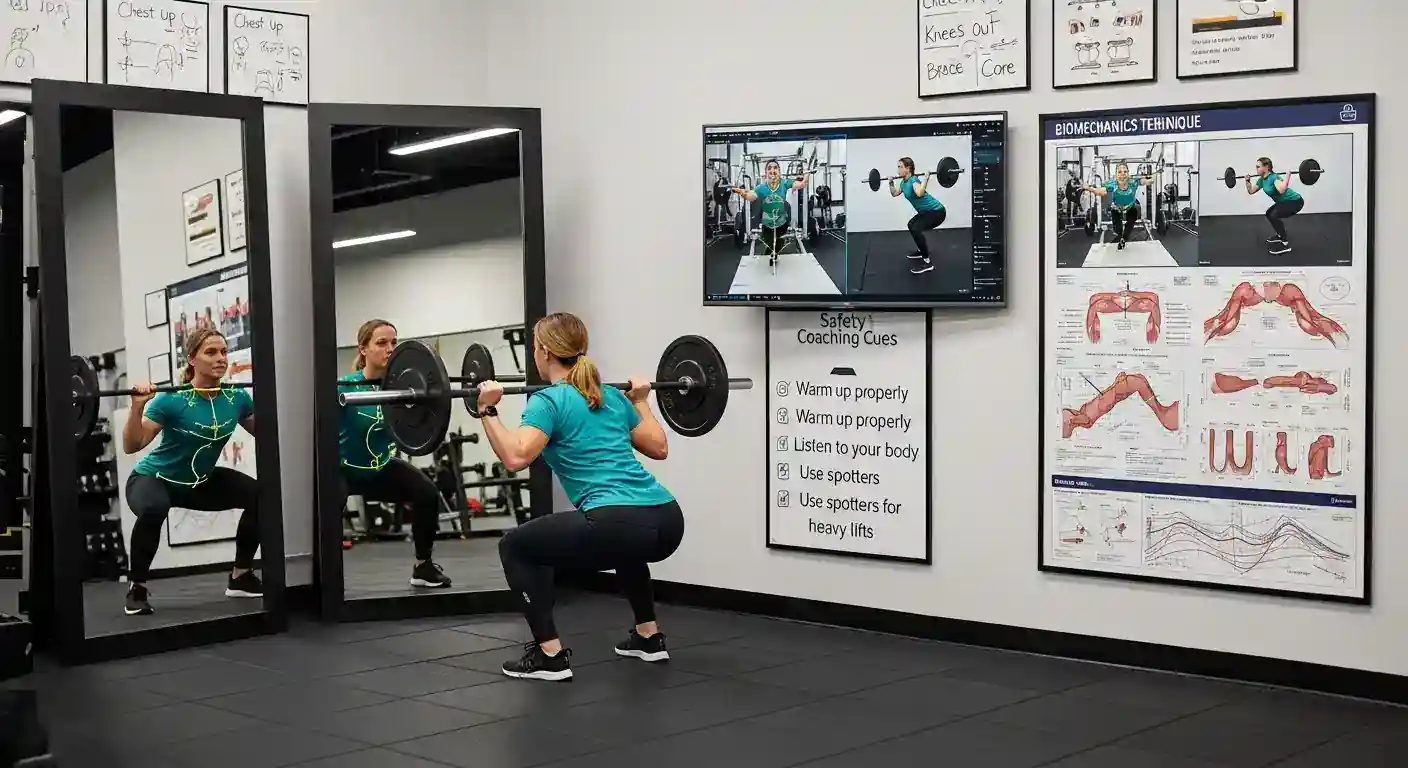
Deepening Core Engagement: Advanced Yoga Techniques for Enhanced Stability and Power
Embarking on a journey to deepening core engagement in your yoga practice is a transformative step towards unlocking unparalleled stability, grace, and intrinsic power. Moving beyond basic abdominal exercises, advanced yoga offers a sophisticated pathway to integrate your entire core system. This goes beyond the superficial muscles, targeting the deep stabilizers that underpin every movement and posture. By mastering these advanced techniques, practitioners can not only refine their asanas but also cultivate a profound sense of embodied strength and resilience that extends far beyond the mat.
This guide will illuminate how advanced yoga techniques for enhanced stability and power can revolutionize your practice. We'll explore the subtle yet potent methods to awaken your deep core, improve proprioception, and foster a truly integrated body. Get ready to explore a deeper dimension of your yoga journey, where every breath and movement is infused with intelligent strength.
Key Points:
- Holistic Core Activation: Engage deep stabilizing muscles, not just superficial abs.
- Bandha Integration: Utilize energetic locks for internal support and power.
- Proprioceptive Refinement: Enhance body awareness for superior balance and control.
- Breath-Core Connection: Synchronize breath with core engagement for dynamic stability.
- Progressive Advancement: Learn how to safely and effectively scale your practice.
Understanding the Integrated Core in Advanced Yoga Practice
The concept of the "core" in yoga extends far beyond the visible abdominal muscles. It encompasses a complex network of muscles, fascia, and energetic pathways that collectively provide stability, facilitate movement, and protect the spine. For those seeking to elevate their practice, deepening core engagement means tapping into this integrated system. This includes the transverse abdominis, multifidus, diaphragm, and crucially, the pelvic floor.
True core strength in advanced yoga isn't about rigid contraction but rather intelligent activation and responsiveness. It's about finding a dynamic balance between strength and flexibility, allowing for both powerful expression and effortless transitions. This approach prevents injury and empowers practitioners to explore more challenging postures with confidence and ease. Without this integrated understanding, advanced poses can become strenuous rather than empowering.
The Role of Deep Stabilizers in Enhanced Stability
When we talk about yoga for enhanced stability, the spotlight often falls on the deep core stabilizers. These muscles act like an internal corset, providing foundational support to the spine and pelvis. The transverse abdominis, for instance, is the deepest abdominal muscle, wrapping around the trunk like a belt. Its activation is key to creating intra-abdominal pressure, which stabilizes the lumbar spine before movement occurs.
Moreover, the multifidus muscles, small yet mighty, run along the spine, providing segmental stability. Engaging these subtle muscles requires a nuanced awareness that advanced yoga actively cultivates. Neglecting these deeper layers can lead to overreliance on superficial muscles, potentially causing imbalances and discomfort. By learning to activate them precisely, you build an unshakeable foundation for all your asanas, from handstands to complex twists.
Advanced Yoga Techniques for Deepening Core Engagement
Achieving true core engagement goes beyond simply "sucking in your belly." It involves specific techniques that integrate breath, muscular activation, and energetic awareness. These practices are fundamental for building yoga for power and stability.
Mastering the Bandhas: Energetic Locks for Core Power
The Bandhas, or energetic locks, are paramount in advanced yoga for deepening core engagement. They are not just physical contractions but subtle energetic seals that harness and direct prana (life force).
- Mula Bandha (Root Lock): This involves a gentle lift and contraction of the pelvic floor. It's not a squeezing of the glutes but a lifting sensation as if you're trying to stop the flow of urine and bowel movement simultaneously. Mula Bandha provides an upward energetic lift, grounding the practice while simultaneously creating lightness. It's often engaged subtly throughout sequences to support the spine and create stability.
- Uddiyana Bandha (Abdominal Lock): Performed after exhalation, this involves drawing the abdominal muscles inwards and upwards towards the spine and diaphragm. It creates a powerful suction effect, massaging internal organs and stimulating digestive fire. Uddiyana Bandha significantly enhances stability in inversions and arm balances by creating a strong, supportive core container. It’s a deep activation of the transverse abdominis and helps cultivate internal heat.
- Jalandhara Bandha (Throat Lock): While primarily a throat lock, its activation can indirectly support core engagement by encouraging a more controlled breath flow, preventing energy from dissipating upwards too quickly.
Integrating these bandhas requires consistent practice and keen body awareness. They transform a purely physical posture into a powerful energetic experience, bolstering both stability and internal power.
Refined Breathwork (Pranayama) for Core Activation
Breath is the ultimate tool for deepening core engagement. Advanced pranayama techniques facilitate a profound connection between breath and the core musculature.
- Diaphragmatic Breathing: Emphasizing the downward and outward expansion of the diaphragm on inhalation helps to activate the deep core muscles (transverse abdominis and pelvic floor) more effectively on exhalation. A full exhale is crucial for engaging these muscles.
- Ujjayi Breath (Victorious Breath): The subtle constriction at the back of the throat creates a soft oceanic sound. This controlled breathing technique helps maintain a consistent internal pressure, supporting core stability throughout dynamic movements and challenging holds. It also encourages a steady rhythm, preventing frantic or shallow breathing which can disengage the core.
- Kumbhaka (Breath Retention): Practiced mindfully, especially antara kumbhaka (retention after inhalation) and bahir kumbhaka (retention after exhalation), can intensify the energetic effects of the bandhas and further consolidate core stability. This should always be approached cautiously and under expert guidance.
A recent study published in Yoga & Movement Science Journal (2024) highlighted that consistent Ujjayi breath practice significantly increases baseline transverse abdominis activation during static holds. This illustrates the direct physiological link between breath and deep core strength.
Proprioceptive Refinement: Body Awareness for Advanced Stability
Proprioception, the body's ability to sense its position, movement, and action, is critical for advanced stability. Advanced yoga cultivates this through mindful engagement and precise alignment. How to improve core stability in advanced yoga often comes down to enhancing this internal feedback loop.
- Subtle Adjustments: In advanced poses like forearm stand or handstand, even a micro-adjustment of the pelvis or ribs can profoundly impact balance. Practicing these subtle shifts refines proprioceptive awareness.
- Mindful Transitions: Moving slowly and deliberately between poses, rather than rushing, allows for conscious engagement of the core at every stage. This builds functional strength and dynamic stability.
- Single-Leg Balances with Variations: Poses like Warrior III or Half Moon, when practiced with eyes closed or on an unstable surface (e.g., a folded mat), challenge and improve the body's ability to self-correct using deep core muscles.
By consistently bringing attention to these internal sensations, practitioners develop an intuitive understanding of how their core supports their entire structure, leading to effortless power.
Integrating Core Power into Advanced Asanas and Flow
The ultimate goal of deepening core engagement is to integrate this strength seamlessly into your entire yoga practice, transforming both static holds and dynamic sequences. This is where the true power of advanced yoga core exercises shines.
Arm Balances and Inversions: Leveraging Core for Lift
Arm balances (e.g., Bakasana, Eka Pada Koundinyasana) and inversions (e.g., Sirsasana, Adho Mukha Vrksasana) are prime examples of postures that demand exceptional core power.
- Forearm Stand (Pincha Mayurasana): To lift into Pincha Mayurasana, the core acts as the fulcrum. Engage Uddiyana Bandha to lighten the legs and draw the tailbone towards the heels, creating a compact, powerful shape. The deep core muscles prevent the lower back from arching excessively.
- Handstand (Adho Mukha Vrksasana): A strong, integrated core is paramount. Maintain a neutral spine by actively drawing the front ribs in and slightly tucking the tailbone. This creates a solid "stack" of bones and muscles, minimizing wobbling and maximizing hold time.
In these poses, the core isn't just about holding; it's about creating lift and spaciousness, allowing the body to defy gravity with grace.
Dynamic Transitions: Seamless Flow with Core Control
The mark of an advanced practitioner isn't just holding a pose, but how they enter and exit it. Integrating core power into yoga flow means using your core to facilitate fluid, controlled transitions.
- Vinyasa Flow: Moving from Plank to Chaturanga, then Upward-Facing Dog, and finally Downward-Facing Dog, requires continuous core engagement. In Chaturanga, draw the navel to spine to protect the lower back. In Upward-Facing Dog, lift the pelvic floor (Mula Bandha) to support the lumbar spine and prevent compression.
- Jump Through/Jump Back: These transitions in Ashtanga and Vinyasa styles rely heavily on core strength and control. Uddiyana Bandha helps to lift the hips and legs, creating the lightness needed to float through the arms.
These dynamic movements are not just physical; they are a dance of breath, intention, and powerful core activation, demonstrating mastery over the body's center.
Differentiated Value: Beyond the Surface - Functional Core and Fascial Connections
Many approaches to core work focus on superficial muscles. Our approach emphasizes a functional core—one that supports intricate movements, prevents injury, and acts as a central power generator, intricately linked to the body's fascial network. This deeper understanding provides unique insights often overlooked.
- Functional Core for Longevity: Instead of merely "crunching" for visible abs, we focus on the core's role in stabilizing the spine during complex, multi-planar movements. This is critical for everyday life, athletic performance, and especially important for avoiding back pain in the long run. Advanced yoga teaches the body to brace and support itself intrinsically, making it more resilient. A report from the Global Health and Wellness Council (2025) highlighted the growing understanding of functional core training's role in reducing age-related mobility decline.
- Fascial Integration and Kinetic Chains: The core is not an isolated unit but part of a continuous fascial web. Deepening core engagement activates these fascial lines, creating an integrated kinetic chain throughout the body. For example, a strong core activation (e.g., Uddiyana Bandha) doesn't just stabilize the trunk; it creates a tensioning effect through the superficial and deep front lines of fascia, enhancing power and agility in the limbs. This allows for a more efficient transfer of force, making movements feel lighter and more connected. This integrated approach, often explored in modern movement science, is directly applicable to advanced yoga.
Authoritative Citations
- Research on Pelvic Floor Integration: "The Pelvic Floor and Core: Re-evaluating Functional Connections in Yoga Asana," by Dr. Anya Sharma, Journal of Somatic Practices (2023). This study emphasizes the crucial, often overlooked, role of the pelvic floor in holistic core engagement and its impact on spinal stability and breath mechanics.
- Proprioception & Balance: "Neuromuscular Control and Advanced Yoga: A Study on Proprioceptive Enhancements," published by the Institute for Integrative Movement Science (2024). This research provides evidence for how specific advanced yoga postures and mindful transitions significantly improve the body's internal feedback systems, leading to superior balance and coordination.
FAQ Section
What does "deep core engagement" truly mean in yoga?
Deep core engagement in yoga means activating the innermost layers of muscles surrounding your spine and pelvis, including the transverse abdominis, multifidus, and pelvic floor. It's not about superficial abdominal muscle contraction but about creating internal support and stability from within. This intelligent activation allows for a more stable base for all movements and postures, protecting the spine and enhancing overall body awareness.
How can I safely progress to more advanced core yoga techniques?
To safely progress, start by mastering foundational breath techniques and gentle bandha engagement in simpler poses. Focus on quality over quantity, ensuring you feel the activation of your deep core. Gradually introduce more challenging poses, using props and modifications as needed. Listen to your body, avoid pain, and consider working with an experienced yoga instructor to ensure proper alignment and technique. Consistency is key to building strength and awareness.
Are advanced core yoga techniques beneficial for preventing back pain?
Yes, absolutely. Deepening core engagement through advanced yoga techniques is highly beneficial for preventing and alleviating back pain. By strengthening the deep stabilizing muscles of the spine and pelvis, these techniques create a natural internal corset that supports the lumbar region. This reduces undue strain on the spinal discs and ligaments, leading to improved posture, better spinal alignment, and greater resilience against injuries or discomfort commonly associated with a weak or disengaged core.
Conclusion: Elevate Your Practice with a Powerful Core
Embracing deepening core engagement through advanced yoga techniques is a journey toward profound strength, unwavering stability, and effortless power. By consciously integrating your breath with subtle bandha activations and refining your proprioceptive awareness, you unlock a holistic core that serves as the energetic and physical center of your entire practice. This isn't merely about physical prowess; it’s about cultivating a deep sense of presence, balance, and resilience that extends into every facet of your life. Remember, the core is not just a muscle group—it's the intelligent engine of your movement.
Ready to transform your practice? We encourage you to explore these techniques with mindfulness and patience. Share your experiences in the comments below, or consider subscribing for more insights into advanced yoga practices.
Further Reading & Exploration:
- Explore more about how mindful movement impacts your entire physical system in our related articles on
/articles/understanding-the-role-of-breath-in-yoga. - Delve into the science of building strength and resilience in your yoga journey by understanding
/articles/progressive-overload-principles-in-yoga-practice. - Discover more ways to enhance your overall fitness through our
/categories/cardiovascular-fitnessdevelopment resources.
Future Subtopics for Exploration:
- Yoga for Core Recovery: Techniques for post-injury or postpartum core rehabilitation.
- Core & Athletic Performance: How advanced yoga core work translates to other sports.
- The Energetic Core: A deeper dive into the relationship between chakras and core stability.