Crafting Your First Strength Training Program: A Step-by-Step Guide for Beginners to Build Muscle Effectively
Crafting Your First Strength Training Program: A Step-by-Step Guide for Beginners to Build Muscle Effectively
Embarking on a strength training journey can feel overwhelming, especially when the goal is to build muscle effectively. Many beginners jump into random workouts without a clear plan, often leading to frustration and slow progress. This comprehensive guide is designed to simplify the process of crafting your first strength training program, laying a solid foundation for sustainable growth and long-term success. We’ll walk you through essential principles, exercise selection, and key strategies to ensure your efforts translate into noticeable results.
A well-structured strength training program for beginners is more than just lifting weights; it's a strategic roadmap that prioritizes safety, progressive overload, and consistency. By understanding the core components and tailoring them to your individual needs, you'll be empowered to make informed decisions about your workouts. Get ready to transform your physique and build strength you never thought possible.
Key Points for Beginners:
- Set Clear Goals: Define what muscle growth means to you.
- Focus on Compound Lifts: Build foundational strength efficiently.
- Prioritize Progressive Overload: Gradually increase challenge.
- Master Nutrition & Recovery: Fuel and repair your muscles.
- Embrace Consistency: Regularity is key to lasting results.
Why a Structured Strength Training Program Matters for Beginners
For anyone looking to build muscle effectively, haphazard workouts simply won't cut it. A structured strength training program for beginners provides direction, ensures progressive challenge, and minimizes the risk of injury. It takes the guesswork out of your gym sessions, allowing you to focus purely on execution and effort. Without a plan, you might find yourself repeating the same exercises with the same weights, which quickly leads to a plateau.
A systematic approach ensures that you apply progressive overload, a fundamental principle for muscle growth. This means continually challenging your muscles to adapt by gradually increasing the weight, reps, sets, or decreasing rest times. Furthermore, a program helps you monitor your progress, celebrate small victories, and stay motivated through the initial learning curve. It's the blueprint for turning effort into tangible gains.
Setting Smart Goals for Effective Muscle Building
Before you even touch a dumbbell, defining your goals is crucial. While "building muscle" is the overarching aim, specific, measurable, achievable, relevant, and time-bound (SMART) goals will provide clarity and drive. Do you want to increase overall strength, gain a specific amount of lean mass, or improve body composition? Be precise.
For example, instead of "I want to get big," aim for "I want to increase my squat by 20% in three months while gaining 5 pounds of lean muscle mass." This level of specificity allows you to tailor your program and track your progress accurately. Remember, effective goal setting is the first step in crafting your first strength training program that truly works for you. This foundational step guides all subsequent decisions regarding exercise selection and volume.
Essential Components of Your First Strength Training Program
To build muscle effectively as a beginner, your program should center around a few core elements. These are the pillars upon which your strength and physique will be built.
Exercise Selection: Prioritizing Compound Lifts
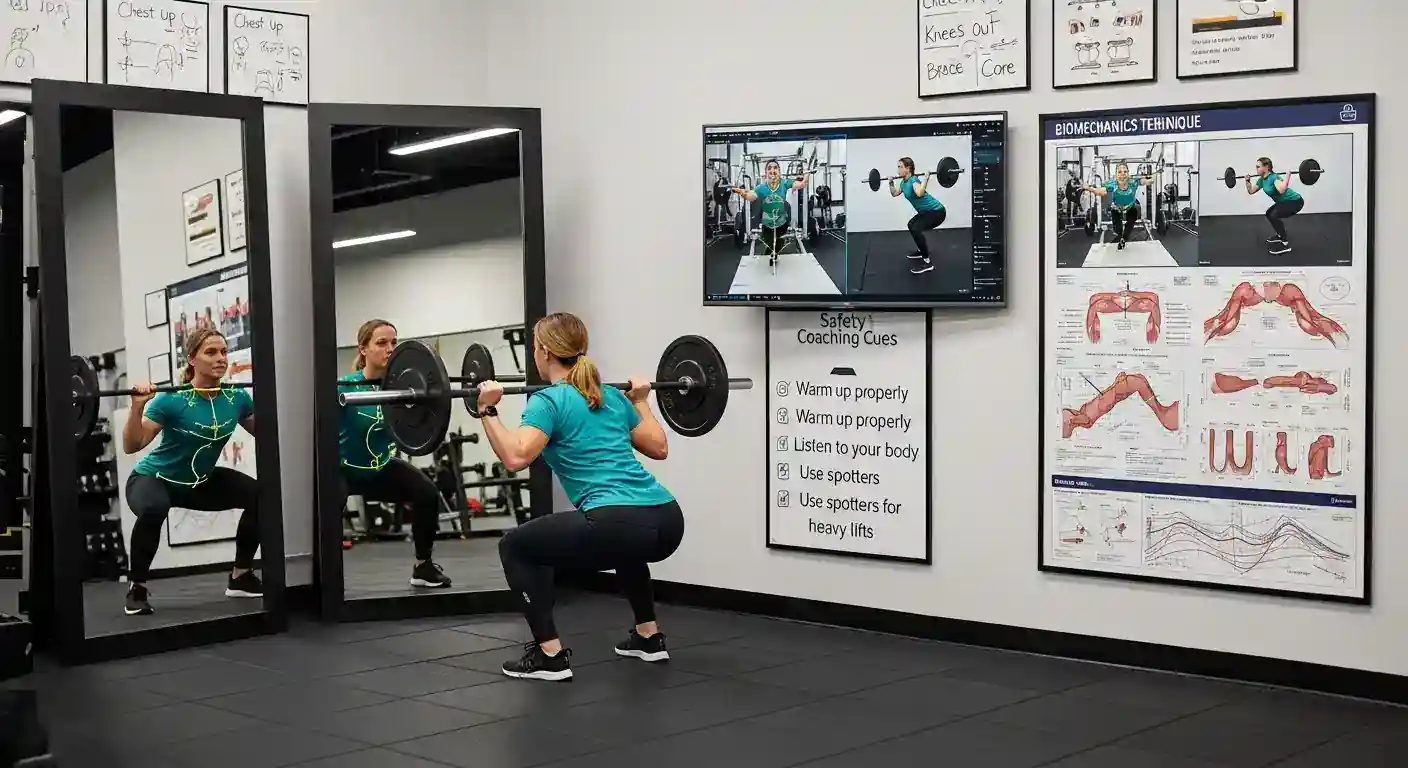
When starting out, focus on compound exercises. These movements involve multiple joints and muscle groups simultaneously, making them incredibly efficient for building overall strength and muscle mass. Examples include:
- Squats: Works quads, glutes, hamstrings, core.
- Deadlifts: Engages back, glutes, hamstrings, core, grip.
- Bench Press: Targets chest, shoulders, triceps.
- Overhead Press: Develops shoulders, triceps, upper back.
- Rows: Strengthens back, biceps, forearms.
While isolation exercises (e.g., bicep curls, tricep extensions) have their place, they should not be the primary focus for beginners. A 2024 review published in the Journal of Strength and Conditioning Research reaffirmed the superior efficiency of compound movements for initial strength and hypertrophy gains in untrained individuals, primarily due to greater metabolic stress and muscle activation. Incorporating 3-4 compound movements per workout is a great starting point for crafting your first strength training program.
Sets, Reps, and Rest: The Foundation of Progressive Overload
For beginners aiming for hypertrophy (muscle growth), a general guideline for sets and reps is:
- Sets: 3-4 sets per exercise.
- Reps: 6-12 repetitions per set, aiming for muscle fatigue within this range.
- Rest: 60-90 seconds between sets to allow for partial recovery.
The key is to push close to failure on your last few reps, meaning you couldn't complete another rep with good form. Once you can comfortably perform all prescribed sets and reps with proper form, it’s time to apply progressive overload. This could mean slightly increasing the weight, adding an extra rep, or even slowing down the eccentric (lowering) phase of the movement.
Periodization for Sustainable Growth: A Beginner's Approach
While complex periodization schemes are common for advanced lifters, a beginner's approach to strength training program design should be simpler. Instead of constantly changing exercises or rep schemes, focus on linear periodization – a gradual increase in intensity (weight) over time, perhaps coupled with slight adjustments in volume (sets/reps).
A crucial, often overlooked, aspect for beginners is incorporating occasional deload weeks. Every 6-8 weeks, reduce your training volume and intensity by about 40-50% for one week. This allows your body to fully recover, repair tissues, and come back stronger, preventing burnout and reducing injury risk. This approach, emphasized by experienced coaches in 2025, significantly aids long-term adherence and progress for new trainees, contrasting with constant maximal effort. It's a key differentiated value point for sustainable muscle building.
Nutrition and Recovery: Fueling Your Muscle Building Journey
Your efforts in the gym are only half the equation when you're looking to build muscle effectively. What you do outside the gym—specifically, your nutrition and recovery—plays an equally critical role.
- Protein Intake: Aim for 1.6-2.2 grams of protein per kilogram of body weight daily. Protein is the building block for muscle repair and growth.
- Carbohydrates: Provide energy for your workouts and help replenish glycogen stores, which are essential for recovery. Prioritize complex carbs like oats, rice, and potatoes.
- Healthy Fats: Crucial for hormone production and overall health. Include sources like avocados, nuts, and olive oil.
- Hydration: Drink plenty of water throughout the day. Dehydration can impair performance and recovery.
- Sleep: Aim for 7-9 hours of quality sleep per night. This is when your body does most of its repair and growth.
Research from Sports Medicine in late 2023 indicated that adequate protein intake combined with sufficient sleep significantly amplifies muscle protein synthesis rates in individuals engaged in resistance training. For more in-depth guidance on this critical area, consider exploring resources on /articles/optimizing-nutrition-for-sustainable-muscle-growth.
Common Pitfalls and How to Avoid Them
Even with a well-designed beginner strength training plan, new lifters often encounter hurdles. Being aware of these common pitfalls can help you navigate your journey more smoothly.
- Ego Lifting: Trying to lift too much weight too soon often compromises form, leading to injuries and ineffective muscle activation. Prioritize proper form over heavy weight. Mastering proper lifting technique is paramount; you can find more guidance on this at /articles/the-importance-of-proper-form-in-weight-lifting.
- Overtraining: More isn't always better. Training too frequently or with too much volume without adequate rest can lead to fatigue, decreased performance, and even muscle loss. Stick to your program's recommended frequency (typically 3-4 times a week for beginners). This differentiated insight highlights sustainability over immediate intensity.
- Neglecting Warm-ups and Cool-downs: A proper warm-up prepares your muscles and joints for activity, while a cool-down aids recovery. Skipping these increases injury risk.
- Inconsistent Adherence: The best program is useless if you don't stick to it. Consistency is the single most important factor for long-term progress. Start small, build habits, and don't get discouraged by minor setbacks.
Tracking Progress and Adjusting Your Beginner Strength Program
Monitoring your progress is vital for motivation and to inform necessary program adjustments. Keep a training log where you record:
- Exercises performed
- Weights used
- Sets and reps completed
- Any notes on difficulty or form
If you're consistently hitting your target reps with good form, it’s a clear signal to increase the weight (progressive overload). Conversely, if you're constantly struggling, it might be time to slightly reduce the weight or add an extra rest day. A recent meta-analysis in Exercise and Sport Sciences Reviews (2025) highlighted the significant correlation between consistent workout logging and improved long-term adherence and goal attainment in novice lifters. Regularly reviewing your log helps ensure your strength training program for beginners remains challenging yet manageable, adapting as you get stronger.
FAQ Section
Q: How often should a beginner train to build muscle effectively?
A: For beginners, training 3-4 times per week is generally optimal. This frequency allows for adequate muscle stimulation across major muscle groups while also providing sufficient rest and recovery time. Spreading workouts throughout the week, such as a full-body routine three times a week, ensures consistent muscle stimulus without overtraining.
Q: Do I need supplements to build muscle as a beginner?
A: No, supplements are not essential for beginners to build muscle effectively. Focus first on a well-balanced diet rich in protein, complex carbohydrates, and healthy fats. Once your nutrition and training are dialed in, consider basic supplements like creatine or whey protein, but they are secondary to whole foods.
Q: How long does it take to see results from my first strength training program?
A: You can typically expect to feel stronger within 2-4 weeks. Visible muscle growth might start appearing around 6-8 weeks, especially with consistent training, proper nutrition, and adequate rest. Individual results vary based on genetics, effort, and adherence to the program.
Q: What's the best approach to increase weight safely?
A: The safest way to increase weight is incrementally. Once you can comfortably complete all prescribed sets and reps for an exercise with good form, increase the weight by the smallest possible increment (e.g., 2.5-5 lbs or 1-2 kg). Focus on maintaining form; if form breaks down, the weight is too heavy.
Conclusion and Next Steps
Crafting your first strength training program is an exciting and rewarding journey. By following this step-by-step guide, focusing on compound movements, applying progressive overload, and prioritizing nutrition and recovery, you are well-equipped to build muscle effectively and sustainably. Remember, consistency and patience are your greatest allies in this process. Don't be afraid to start simple, learn as you go, and celebrate every small victory.
Now that you have the knowledge, it's time to put it into action! Start building your program, hit the gym, and commit to your goals. Share your progress and questions in the comments below – we love hearing about your fitness journey! For more insights into fitness planning fundamentals, explore our /categories/fitness-planning-fundamentals section.
Further Reading Suggestions:
- Advanced Training Techniques for Intermediate Lifters
- Meal Prep Strategies for Muscle Gain
- Understanding Different Types of Cardio for Fat Loss
- The Science Behind Progressive Overload